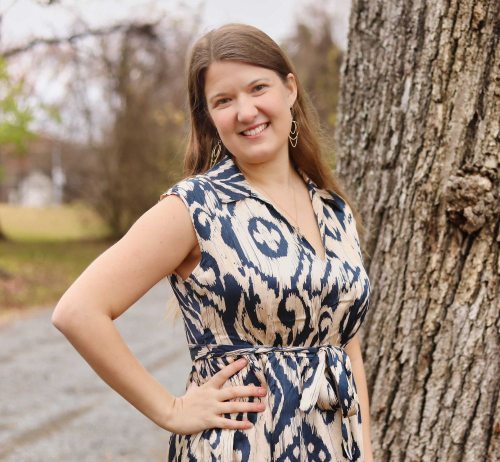




Suzanne Guy never wanted to start a non-profit. She just loved serving moms in crisis and loved getting the church involved in that. Turns out, this became a ministry in and of itself.
Guy once had her own pregnancy crisis; she was faced with a prenatal diagnosis and was pressured by multiple medical professionals to abort her child. She and her husband flatly refused, and their only daughter Rachel defied the odds and is now a healthy and thriving young woman. Guy said that regardless of outcome though, choosing life was worth it.
Guy, with the help of her daughter, founded LI-V (Life Initiatives & Values). LI-V began in an Atlanta, Ga., suburb as a program of Woodstock Baptist Church. The ministry grew, and others have begun asking to implement the model at their church. LI-V needed to become its own 501(c)(3) non-profit ministry, while continuing to operate in church partnership and blessing.
The mission statement of LI-V is “To frame the life issue in prayer, service, and love.”
Tweet This: The mission statement of LI-V is “To frame the life issue in prayer, service, and love.
LI-V does this through organizing a monthly educational pro-life meeting at the church, paired with organic, as-needed relational care for women and children. It’s an effective blueprint for getting the church involved in life issues that’s practical, relational, unifying, and collaborative.
Pro-life church groups often offer encouraging fellowship for like-minded people from one congregation. Though that is also important to Guy, her vision was also broader: turn fellowship into action, and invite more pro-life people from the community to join in. Guy doesn’t just welcome members of her local church, but any life-affirming or even life-curious believers or community members wanting to get more involved in the ministries helping women.
Each monthly meeting features topical speakers from the local community. That might include a variety of pregnancy help and pro-life safety net leaders such as an abortion recovery leader, a pregnancy clinic director, a maternity home leader, a mom with a personal story, a foster care ministry, a miscarriage ministry director, a sidewalk advocate, and more. The meeting is always at the same time and place each month.
“That’s what makes it work,” Guy said.
[Click here to subscribe to Pregnancy Help News!]
Far from trying to compete with other church outreach programs or existing church support for pregnancy centers, Guy wants LI-V to compliment them and give their leaders a platform to speak to more potential supporters. Organically, volunteer and donation opportunities grow out of the monthly connection opportunity. Local pregnancy centers, like The HOPE Center, are grateful for that.
“LI-V brings together the BEST of a pro-life community to impact LIVES! Pastors, churches, Intercessors with 40 Days for Life and beyond, students, and generations eager to extend the love of Jesus to as many as need it!” said Cindy O’Leary, executive director of The HOPE Center.
In addition to their educational monthly meeting, LI-V cares for women and families in need.
Perhaps owing to her own unique experience, Guy’s ministry isn’t limited to one proverbial pregnancy crisis. There is no cookie-cutter model to the woman served or to the care offered, she said. Loving a mom can look like meeting for coffee, offering rides to church or appointments, intentional discipleship, or whatever a mom may need. Some of these women were met on the sidewalk when they turned away from abortion; others found LI-V through a referral or word of mouth.
Knowing they cannot meet every need themselves, LI-V values its community partners, making direct referrals, when possible, when they have a personal connection with other care providers that are a good match for a particular mom’s needs. This demonstrates why the monthly meetings are important; they help build those relationships with and between those providers of multiple specialties.
Many pro-life advocates wonder how to get their church involved in pro-life ministry, and LI-V provides one possible approach, one that works in any denominational context. That matters to Guy, who often kindly challenges churches to not ignore life issues.
Guy understands that many pastors are afraid that mentioning abortion will hurt those in their congregation who have had abortions.
“It’s actually the opposite,” Guy explained.
Guy explained that when pastors do not talk about abortion, it becomes like an unmentionable and unpardonable sin, instead of becoming an invitation to women and men touched by abortion to the healing offered by Christ.
Another reason pastors may worry about mentioning abortion is fear that those discussions will feel disconnected from the real, difficult experiences and sufferings of pregnant moms. LI-V is a testimony to how untrue that is.
Pastor Joel Balin of First Baptist Woodstock calls the community building work of LI-V a “beautiful symphony that demonstrates what God can do when his people unite,” and applauds the holistic approach of human dignity that LI-V embodies.
“LI-V is a powerful lifeline for those who are made in God’s image—from conception to their reception into heaven,” he said.