



The baby arrives, congratulations pour in and a new chapter begins. For many new mothers, however, this season, often called the fourth trimester, may look different from what they imagined. The familiar cultural message to “bounce back” leaves little room for the realities of recovery, adjustment, and the vulnerability of becoming a parent.
Author and mother Shelby Woods offers a different starting point. A struggling mother needs compassion, connection, and continued care. Her story underscores why support for a mother should continue long after her baby’s arrival.
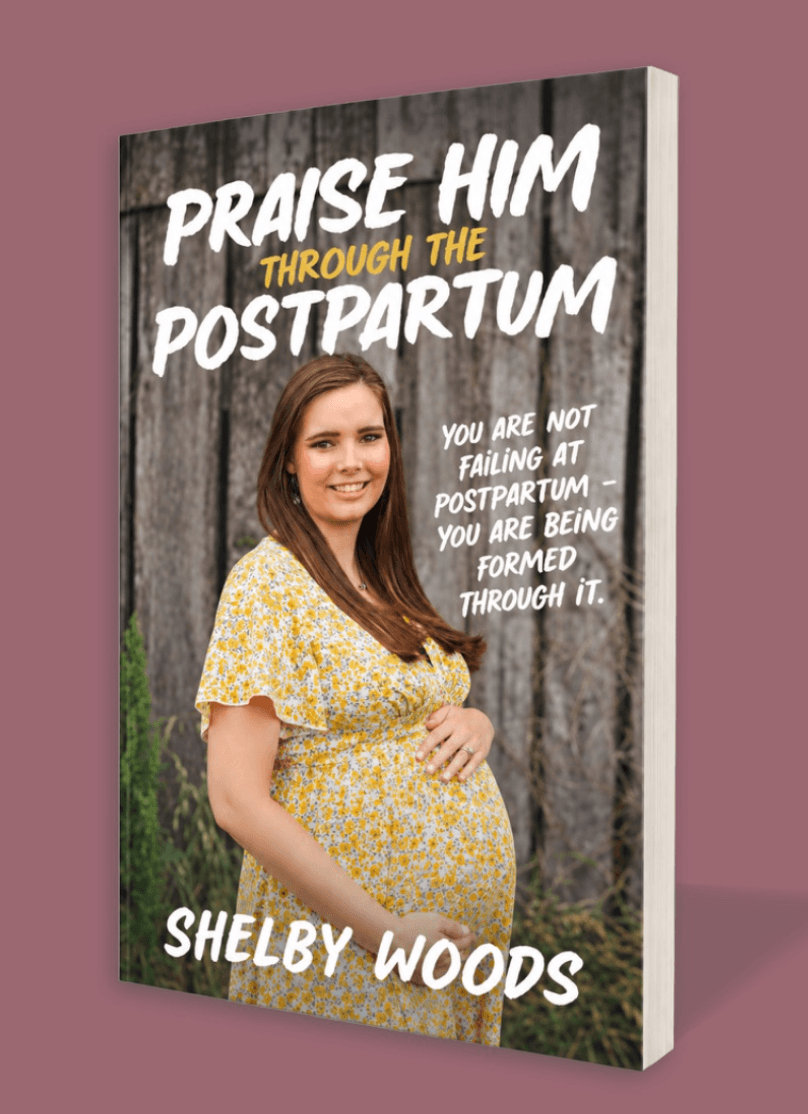
Woods’ postpartum experience was shaped by trauma before her daughter was even born. At 39 weeks pregnant, she was injured in a horse-and-carriage accident that left her with a broken nose, a broken arm, and an ankle injury. Her unborn daughter was unharmed, she said, but Woods entered childbirth facing circumstances far removed from her expectations. In the weeks that followed, she experienced depression, anxiety and fear, struggles that eventually inspired her ministry, Through the Postpartum, which includes her new book, Praise Him Through the Postpartum.
Woods’ story challenges the assumption that a healthy baby automatically means a mother is doing well. A woman can be deeply grateful for her child while struggling with her own recovery. She can love motherhood and still feel frightened, isolated, or overwhelmed. Acknowledging these experiences together creates room for the honesty that idealized portrayals of life with a newborn often leave out.
That contrast is especially clear in conversations about a mother’s changing body. Woods describes the discouragement women may experience when they see stretch marks or struggle to recognize their bodies after pregnancy. Amid cultural pressure to lose baby weight, she offers reassurance grounded in a woman’s identity in Christ. Her message affirms a mother’s worth without tying it to how quickly she looks or feels like her former self.
That reassurance, paired with continued support from pregnancy help organizations, can help mothers feel seen during a vulnerable season. But postpartum struggles can extend beyond a difficult adjustment or everyday exhaustion. The Centers for Disease Control and Prevention reports that about 1 in 8 women with a recent live birth reported symptoms of postpartum depression, a condition that has been a source of headlines and cultural debate in recent months.
[Click here to subscribe to Pregnancy Help News!]
For pregnancy help organizations, these circumstances raise a question that extends beyond delivery: Who is still walking alongside a mother after her baby is born? Diapers, clothing, and other material assistance meet important needs, but a mother may also be coping with anxiety, a difficult birth experience, feeding challenges or ongoing physical recovery. Continued support gives her opportunities to share those concerns without embarrassment. It also allows pregnancy help organizations to help her connect with qualified professionals when needed.
Tweet This: Continued support allows pregnancy help organizations to connect postpartum women with necessary resources.
Practical assistance can make continued care more accessible. Along with diapers and infant supplies, pregnancy help organizations can help mothers explore transportation options for appointments or locate affordable childcare through trusted community partners. Parenting education also acknowledges the challenges of physical recovery while caring for a newborn.
Pregnancy help organizations also create opportunities for mothers to build relationships through mentoring and advocacy. These connections provide support and reassurance after the initial excitement surrounding a birth has faded. Having someone who listens, checks in and remains present can help a mother feel less alone as she adjusts to life with her baby.
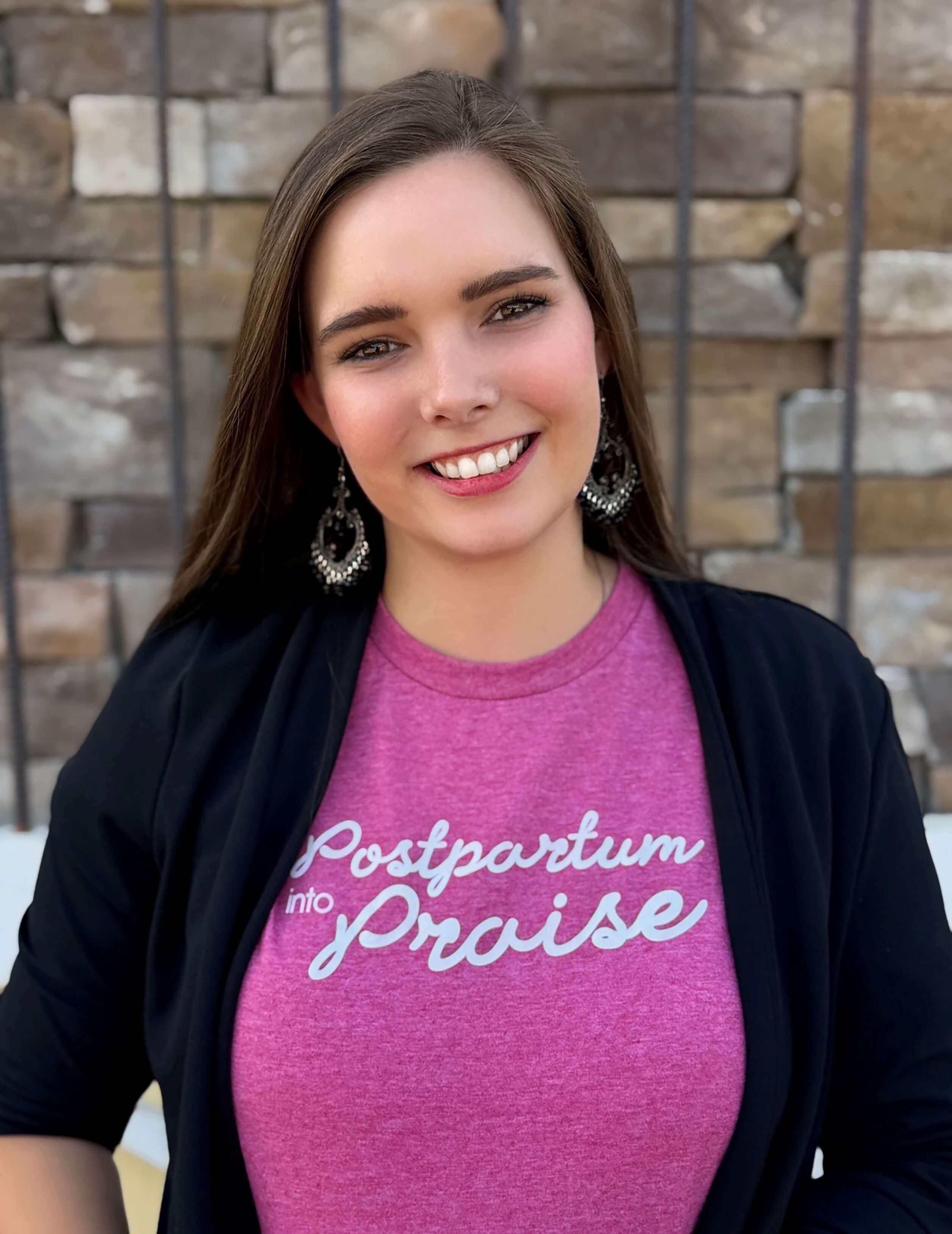
Woods’ ministry illustrates another way to offer that continued connection. In a recent Pregnancy Help Podcast episode, she described a six-week online Bible study in which women discuss birth experiences, relationships, and the challenges of postpartum life through the lens of Scripture. She also shares encouragement online, hoping to reach mothers who may be scrolling on their phones during a late-night feeding. These opportunities invite women to share their experiences within a community rather than carry them alone.
One of Woods’ recurring messages captures the heart of her approach: “You’re not failing, you’re being formed through it.” For new mothers, those words offer encouragement during a season that may look different from what they imagined. For the pregnancy help community, they reinforce a commitment to remain present through recovery and beyond. Celebrating a baby’s life should include caring consistently for the woman who brought that life into the world.
To learn more about Through the Postpartum Ministries and Shelby’s book, visit her website.
Editor's note: Heartbeat International manages Pregnancy Help News.