


Evangelical leaders warn that it “undermines the protection of unborn life”. The Spanish Evangelical Alliance already opposed the inclusion of abortion as a constitutional right.
(Evangelical Focus) The Spanish cabinet recently submitted a draft amendment to the Spanish Constitution to Parliament, which aims to recognise and “safeguard” women’s sexual and reproductive rights, specifically including the right to abortion.
The proposal suggests the addition of a fourth paragraph to Article 43 of the Constitution on health protection, stating that “the state shall guarantee the right of women to voluntary termination of pregnancy under conditions of real and effective equality”.
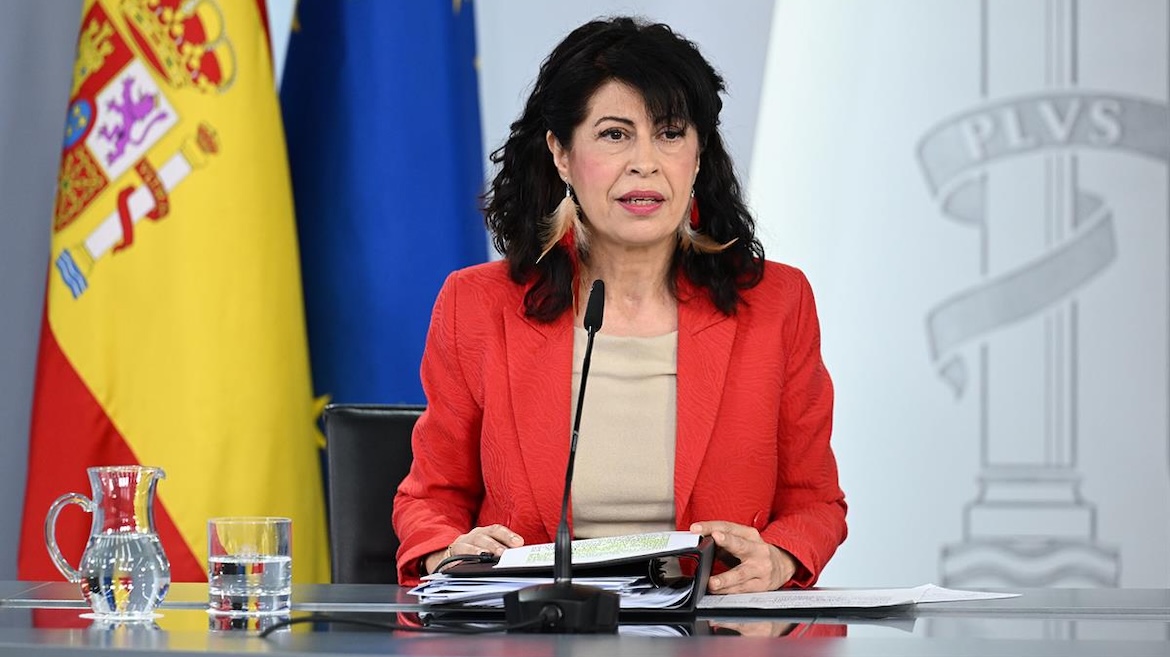
The minister for equality, Ana Redondo, claimed that the initiative aims to ensure the effective exercise of this right throughout the country.
She explained that only around 20% of abortions are currently performed in public healthcare centres, with significant variations between Spanish regions.
According to Redondo, the reform also responds to an international context in which an "ultra-reactionary movement” challenges sexual and reproductive rights.
She also stressed that the constitutional amendment would reinforce the case law of the Constitutional Court and consolidate existing legislative advances.
The constitutional amendment requires a qualified majority to be approved. As it is an article included in the guiding principles of social and economic policy, it will need the support of at least three-fifths of both Congress and the Senate.
In certain circumstances, the text could also be put to a referendum if requested by one-tenth of parliamentarians.
According to official statistics presented by the government last October, 106,172 abortions were performed in Spain in 2024, the highest figure in over a decade.
Tweet This: According to government stats from last October, 106,172 abortions were performed in Spain in 2024, the highest number in over a decade.
[Click here to subscribe to Pregnancy Help News!]
FEREDE: “Undermines the protection of unborn human life”
The Federation of Evangelical Religious Entities of Spain (FEREDE) issued a statement expressing its concern over the government’s initiative.
According to FEREDE, making abortion a constitutional right “undermines the protection of unborn human life” and would go against the spirit of the Constitution.
FEREDE points out that, while there is no single dogmatic position on abortion within Protestantism, there is a broad consensus that life is a gift from God and must be protected from its very beginning.
The Federation also questions whether there is sufficient consensus within society and Parliament to introduce this constitutional change.
In its view, enshrining abortion as a constitutional right “will make the protection of prenatal life meaningless”.
The statement points out that case law of the Constitutional Court recognises prenatal life as a protected legal interest, and stresses the need to find a balance between women’s rights and the protection of unborn children.
Spanish Evangelical Alliance
The Spanish Evangelical Alliance (AEE) already expressed its views on the abortion debate in a document released in October 2025.
In that text, the organisation stated that, from an evangelical perspective, human life exists from the moment of conception, and therefore they consider abortion ethically permissible only in cases of clear danger to the mother's life or serious malformations that make the foetus unviable.
The AEE also criticised the fact that the public debate focuses exclusively on the woman’s decision, ignoring the rights of the unborn child.
“Talking about voluntary termination of pregnancy is to ignore the fact that it is not a matter of flipping a switch, but of eliminating a life”, pointed out the statement,
They also stressed the need to provide more alternatives and social support for women with unwanted pregnancies.
The document concluded by describing the enshrining of abortion as a constitutional right as “a contradiction in terms” and warned of the social and demographic impact of a high annual abortion rate in Spain.
European debate
The debate over whether abortion should be enshrined in national constitutions has also been a major topic of discussion in Europe in recent years.
In 2024, France became the first country in the world to enshrine the right to abortion in its Constitution, after a social debate in which evangelicals took a stand against it.
In the Netherlands, a similar initiative was rejected.
Editor's note: This article was published by Evangelical Focus and is reprinted with permission.